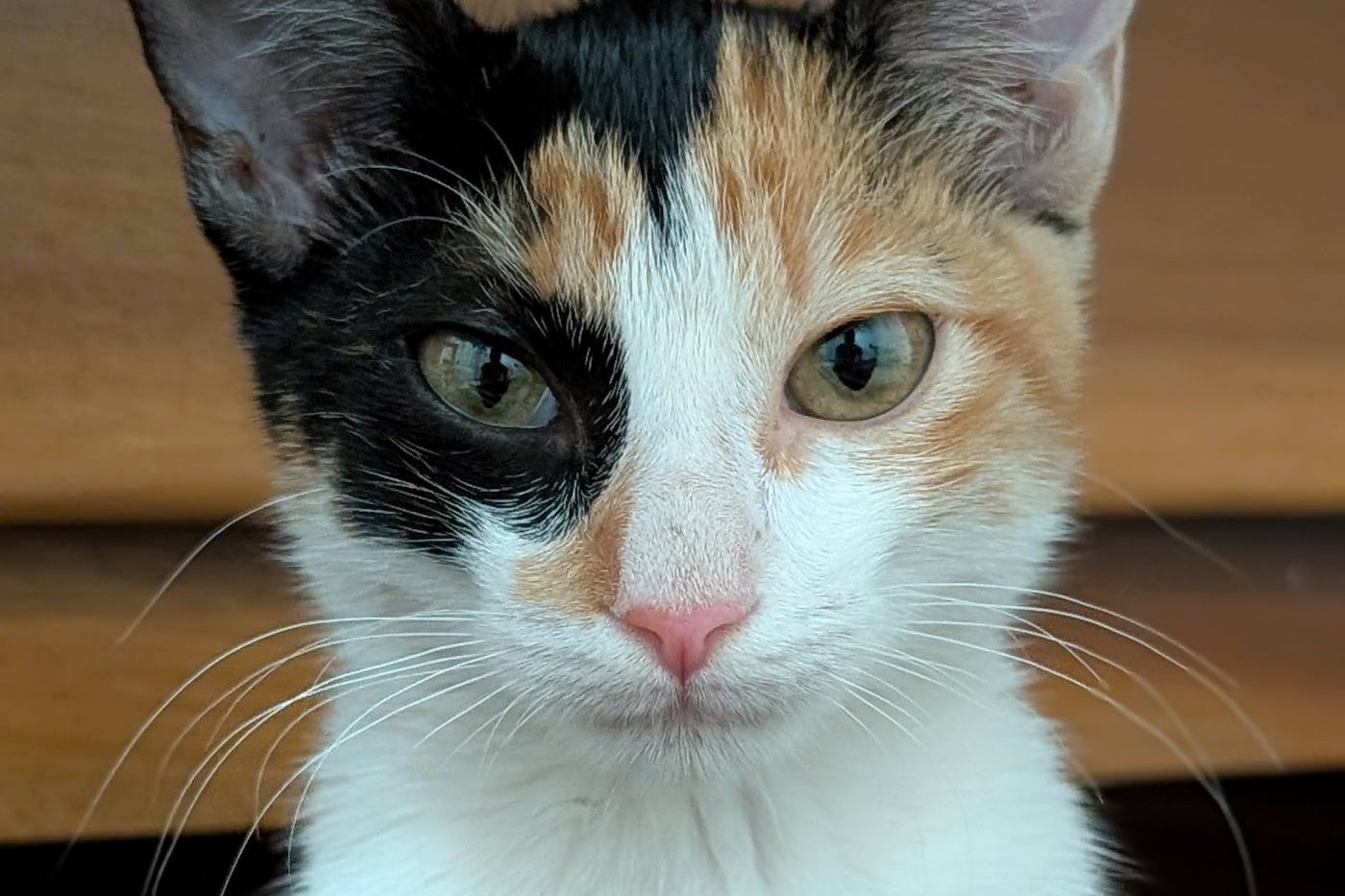
When I arrived in Puerto Escondido I didn’t know any of the cats. Then people started introducing me to them. I learned their names, and their stories. Now I have many names and many stories.
When someone new arrives, I tell them those stories and share the names. That’s how the knowledge spreads — person to person, over dinner, on the doorstep. But it doesn’t spread much further than that.
I also started an Instagram account, @mimos_cat_sanctuary, to show off the cats: their beauty, their characters, the funny videos. Instagram is great for that. But it isn’t built around the cat — it’s built around me, the account holder. It can’t let the next caretaker inherit what I know and keep adding to it.
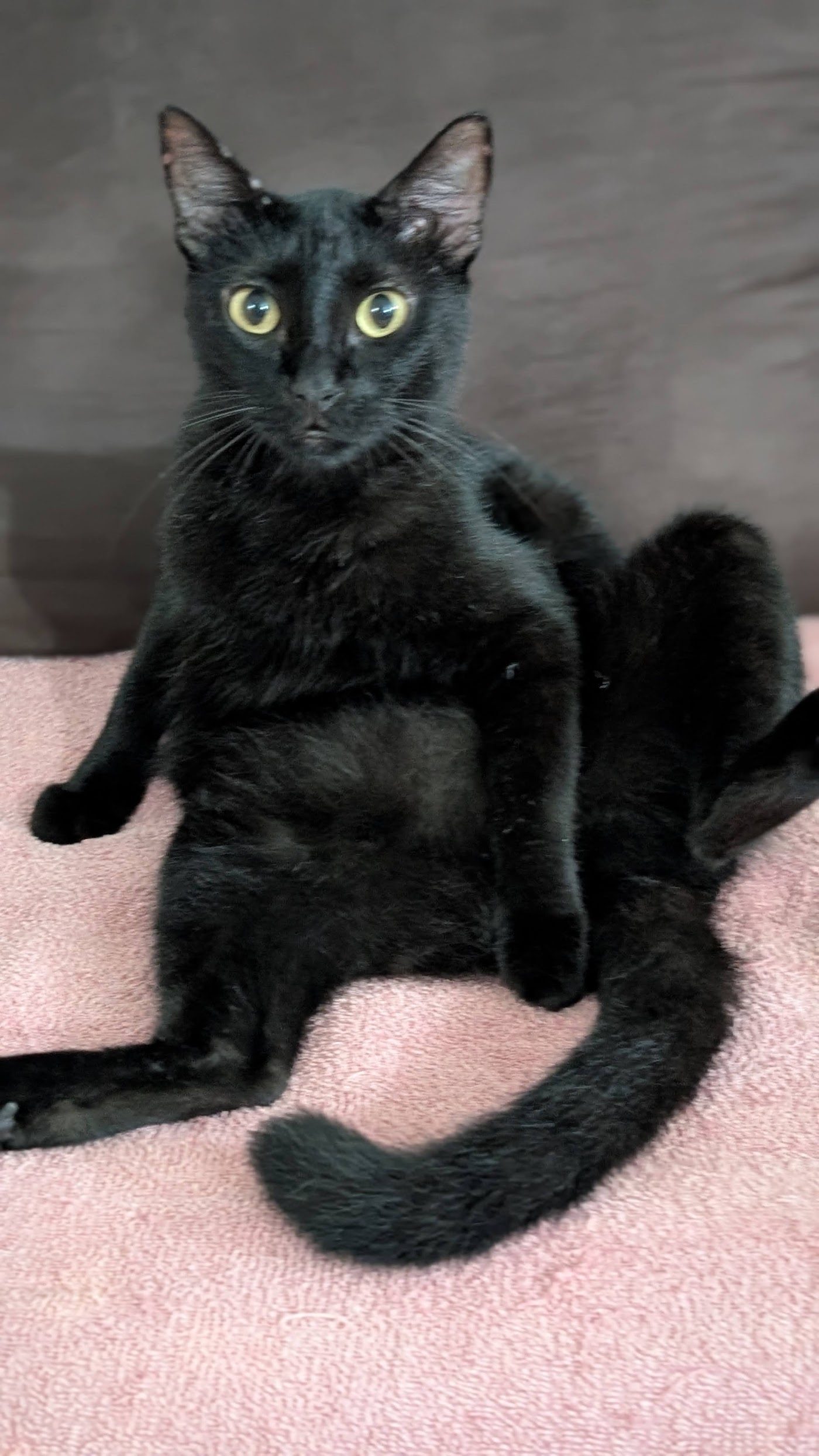
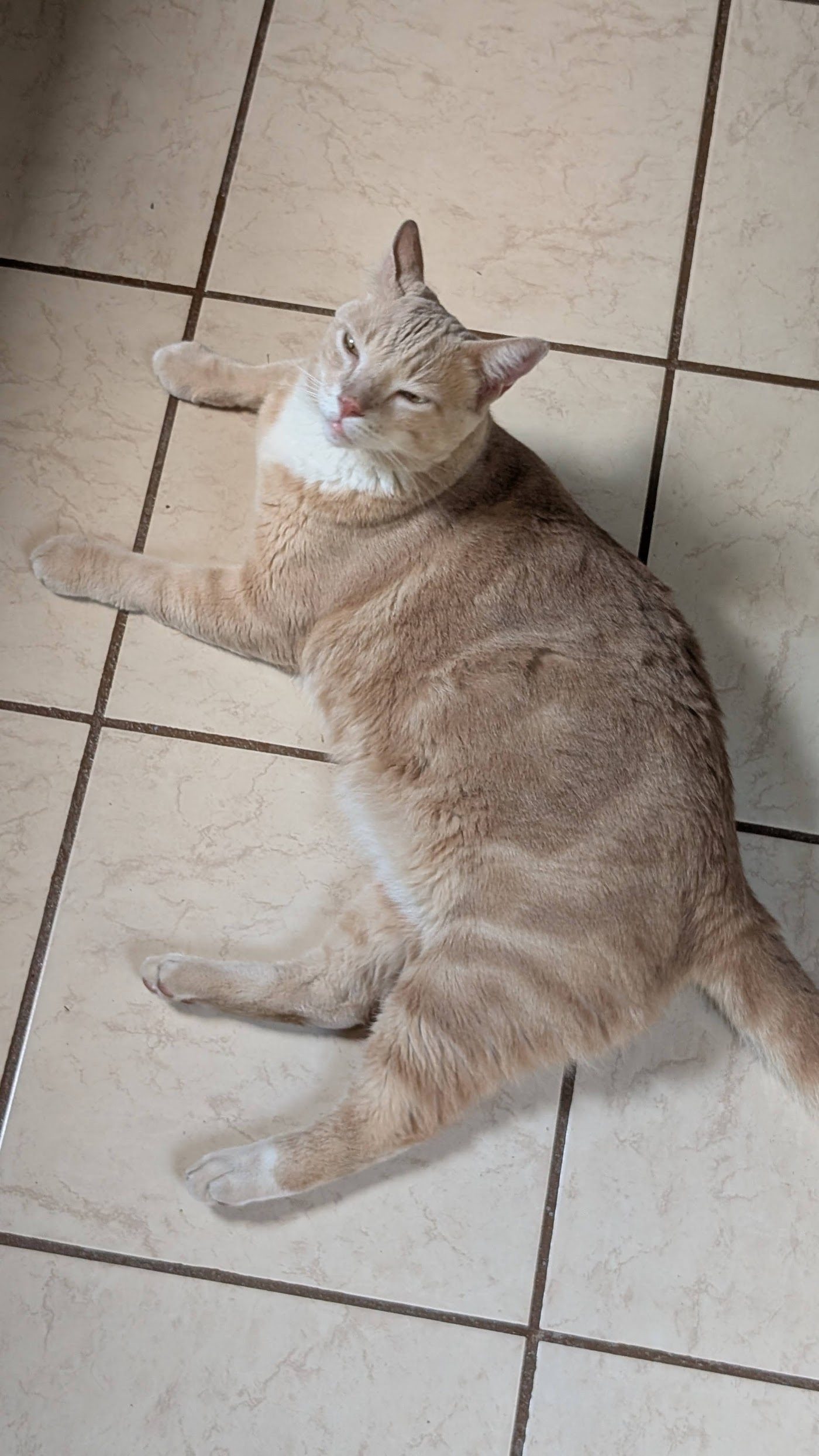
I’ve already built the system — by hand
Looking at it now, I’ve been running a cat-tracking system all along. The database is human memory, storytelling and Instagram. Each cat gradually picks up an identity: a name, photographs, a personality, relationships, a territory, a health history, origin stories, encounters.
The problem is that all of it lives inside individual people, and when those people leave, the knowledge disappears.
A first principle
The cat persists while the humans around it come and go — so the record should belong, conceptually, to the cat, not to any particular caretaker.
The opportunity isn’t just “tracking stray cats”. It’s creating a persistent, shared identity for an animal that no single human owns.