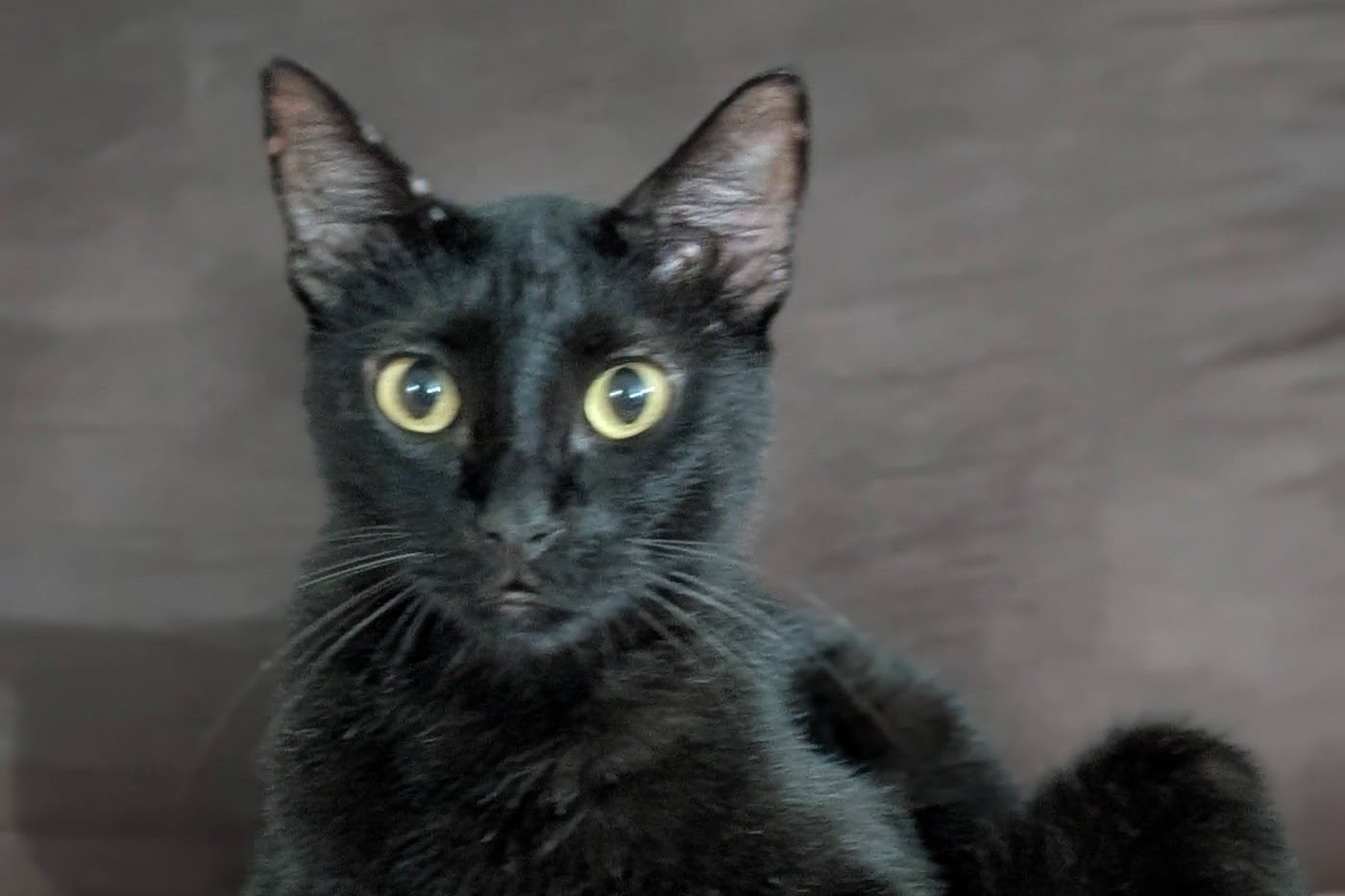
When someone new arrives at the house, I introduce them to the cats. This is Ciccio. That’s Tenkilo, in the sun as usual. The orange-and-white one by the bowl? We call it Mountain Lion; nobody knows its real name.
And when people meet a cat, they take a photo. Almost everyone does. It’s the most natural thing in the world.
Then the photo disappears into a camera roll, somewhere between a receipt and a sunset. The name I told them fades. The cat goes back to being “a black cat I saw in Mexico”.
What if the photo was the introduction?
Imagine taking that photo and, a few seconds later, getting the cat’s card:
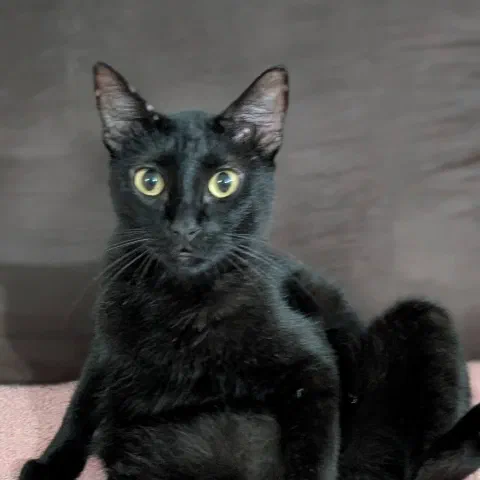
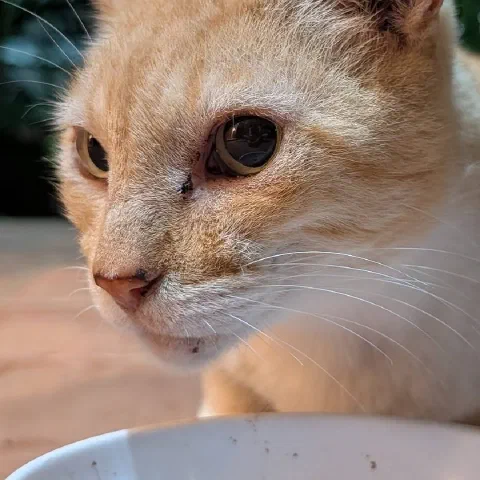
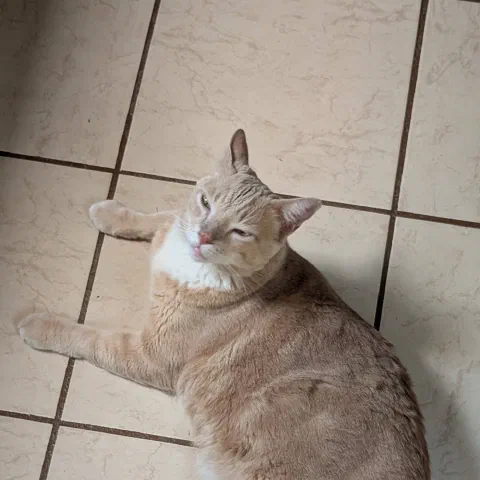
A name, a coat, one thing worth knowing. If the cat is already known, you meet it properly: here’s what other people know about it. If it isn’t, you’re the first, and your photo is the start of its story.
That would be a lovely thing for the person holding the phone. But the real point is the cat. Every one of those photos is an encounter: one more piece of the cat’s history, one more person who recognises it, maybe one more person who notices when it’s thin, or limping, or gone.
Fun is the doorway, not the destination
I want meeting a cat to feel like a small gift, because that’s how people will keep doing it. But it’s easy to imagine what happens if “fun” takes over: the most photogenic cats get the attention, and attention isn’t always good for a cat that lives on the street. A cat’s exact spot becomes something anyone can find. A cat becomes an attraction.
So the rule I keep coming back to is simple: if a fun feature and the cat’s wellbeing ever disagree, the cat wins. No rankings. No exact spots. No photos floating around without the cat’s story attached.
I’ve written up the details in a new idea page, Meeting a Cat. What would make you stop and record a cat you meet? And what should a cat’s card never show?