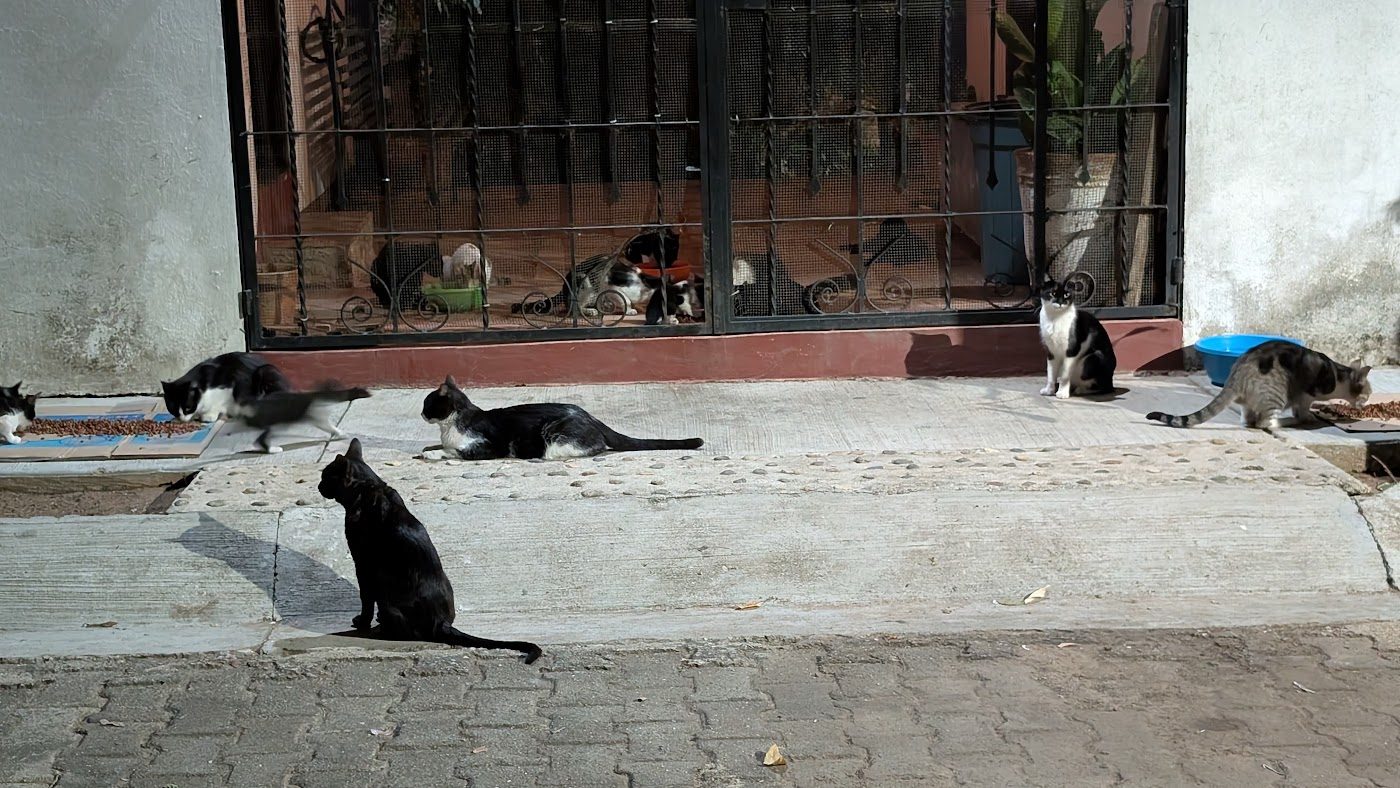
The concern
A public map of exactly where stray cats live and get fed is useful to helpers — but also to people who want to harm animals, or who object to colonies in their area. Caretakers' own locations and routines also need protecting.
Poisoning shows why. Some of it is accidental: cats eat rats that have eaten rat bait. Some of it is deliberate, by people who want cats gone. Either way, a map of where cats live and eat would make the deliberate kind easier. Awareness is part of the answer too (see Education & Awareness).
Possible approaches
- Fuzzed public locations — show an approximate area, not an exact point.
- Trusted roles — verified rescuers/caretakers see precise data.
- Delayed publishing — sightings appear publicly after a delay.
- Minimal personal data — collect as little about users as possible.
Celebrate cats without exposing them
People love the cats in their neighbourhood, and Stray Cats should let them enjoy and share them. But some things that make an app exciting would put cats at risk, so they’re ruled out:
- No popularity. No rankings, no “most-met” or “favourite” cat, no counts that make a cat famous. A well-known cat is easier to find, for good people and bad.
- No exact spots, anywhere. Not on cards, not in shared links, not in landmarks or place names that give a feeding spot away. Your own private map can remember where you met a cat; nobody else sees it.
- No public photo links. Photos are shown inside cards, not as files anyone can pass around and reuse.
- No people in photos, and nothing that shows someone’s home.
- Welfare over engagement. Features are judged by whether they help cats, not by how much they’re used.
Open questions
- Where’s the right balance between openness and safety?
- Who decides who is “trusted”?
- How do you let people share a cat they love without sharing where it lives?