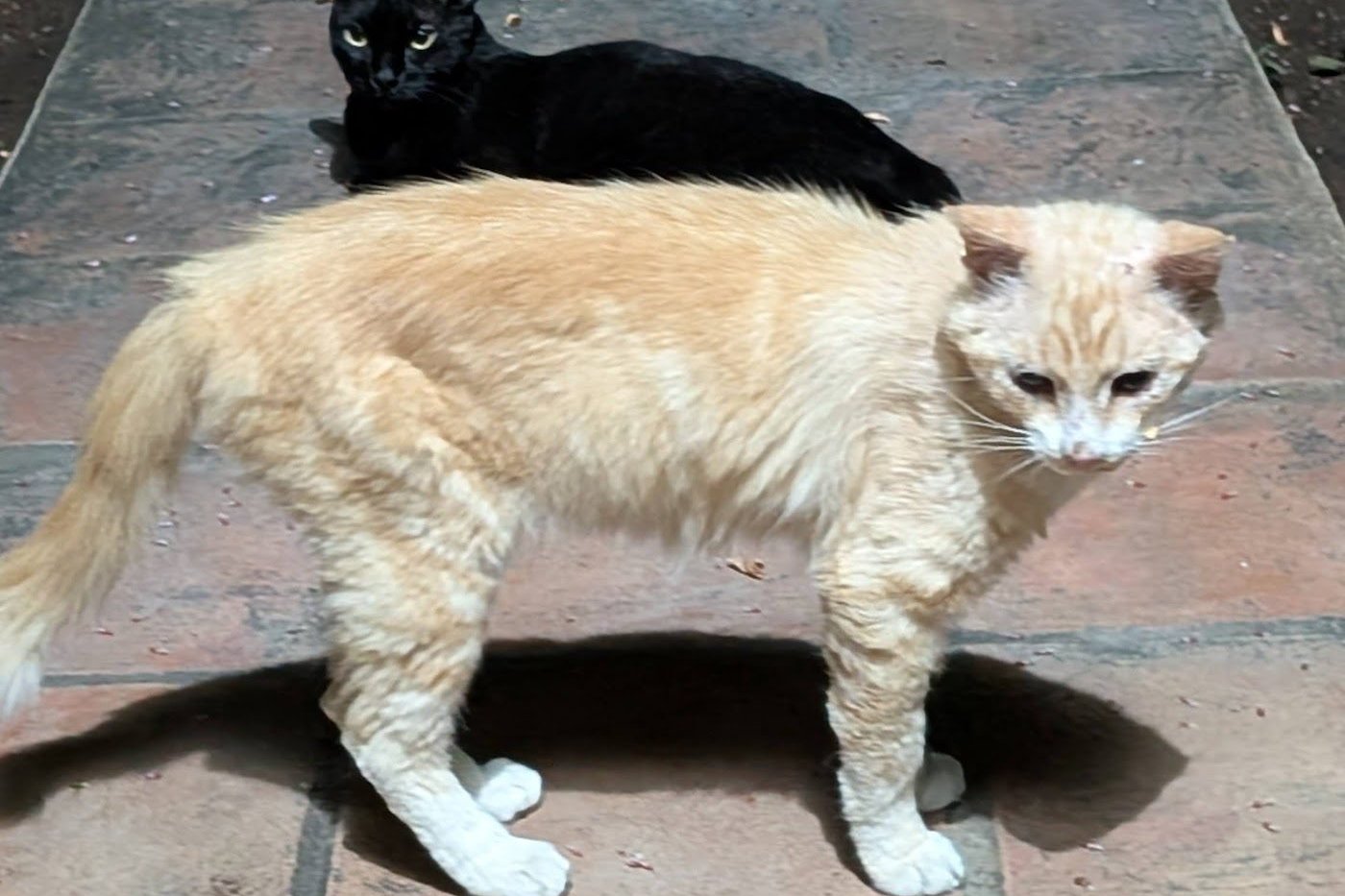
Background: A photo is an introduction
The idea
When people meet a cat, most of them take a photo. That photo is the easiest way in there will ever be, so Stray Cats should start there:
- See a cat, take one photo. That’s the whole first step. No form to fill in.
- Get the cat’s card in seconds: its photo, a name, its coat, and where it was met, at the level of the neighbourhood, never the exact spot.
- If the cat is already known, meet it properly. “This might be Mountain Lion. Real name unknown. Others have met this cat here too.” You learn its story instead of starting from nothing.
- If nobody has met it yet, you’re the first. You can give it a name, and your name for it joins the others; it doesn’t replace them.
You can start with just a nickname: no email, no password. And every card starts from a real photo of a real cat that someone actually met.
Cats you’ve met
Everyone who uses Stray Cats would keep a list of the cats they’ve met. Not cats they own or have claimed: cats they’ve met. It’s a small, warm thing to look back on, and it’s the start of a relationship with each one.
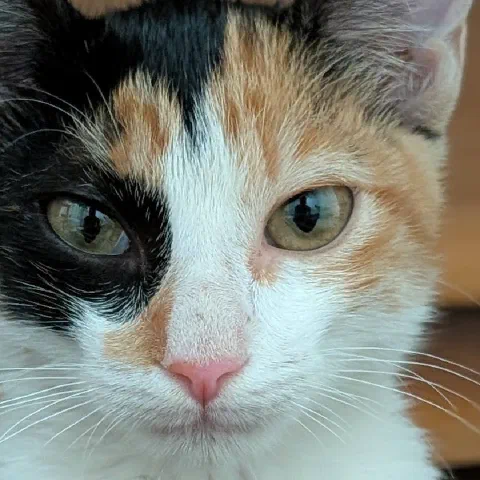
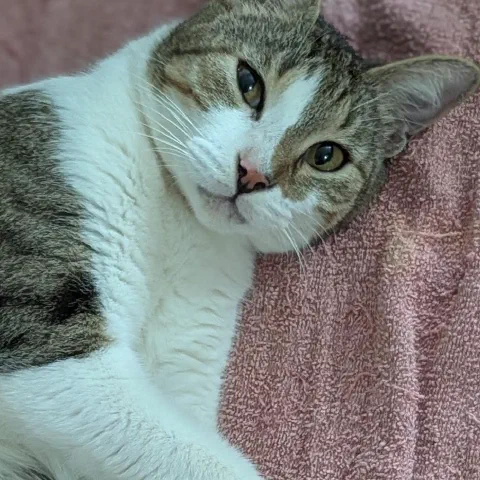
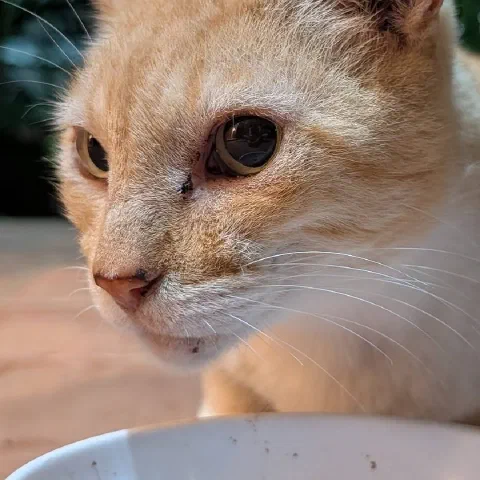
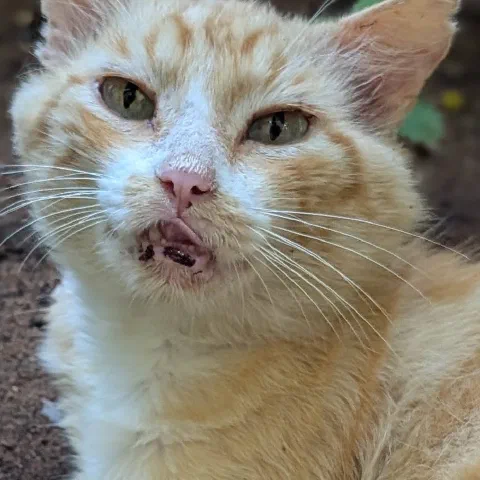
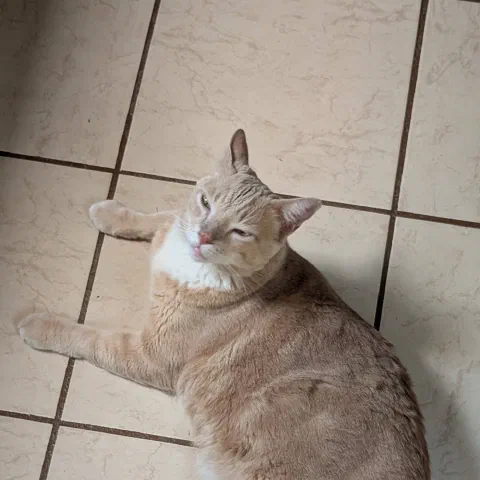
These are the cats I’ve met at the house, as cards might show them:
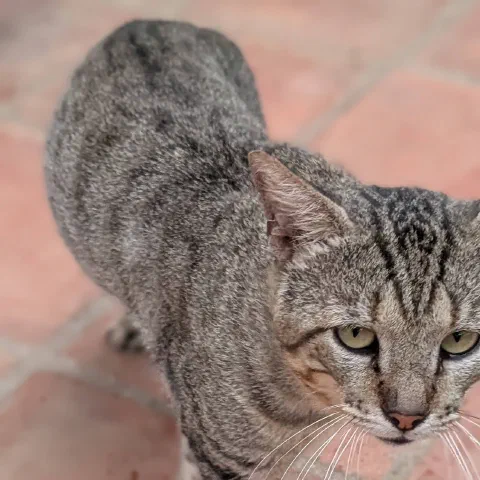
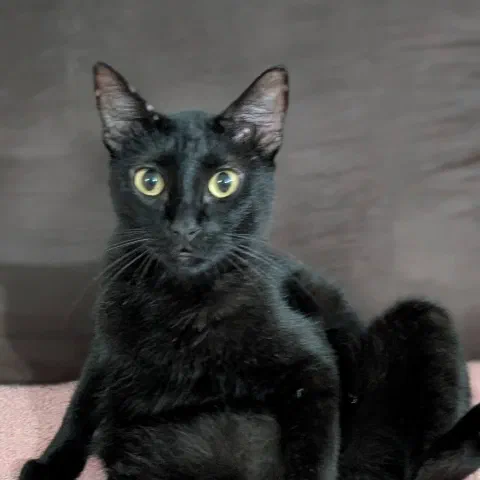
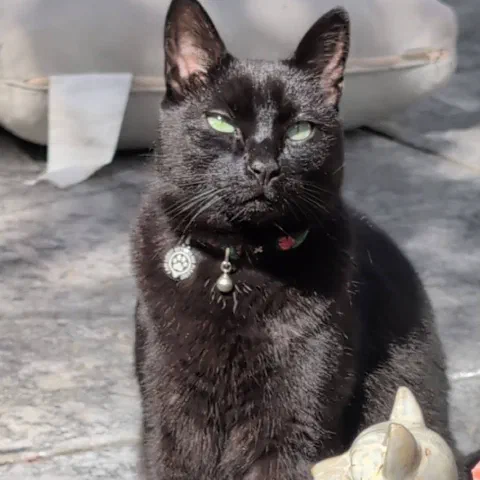
Sharing a cat
You could send a cat’s card to a friend in a message, or to the next person who’ll be looking after the house. They can then follow that cat: see when it’s been met again, and its story as it grows. A card only ever shows what’s safe to share (see Privacy & Animal Safety).
You could also see cats being met in other towns and countries: a gentle window on how many people, everywhere, are quietly looking out for cats. Only the area is ever shown, and only after a delay, so it can never lead anyone to a cat.
Learning to see cats
Once you start meeting cats, you start seeing them: the tabby’s M on the forehead, the tuxedo’s white chest, the calico’s three colours, the notched ear. Stray Cats could help people learn coats and markings a little at a time, and keep track of the ones they’ve met.
That isn’t only for fun. Coats and markings are exactly what helps tell one cat from another (see Cat Identity & Multiple Names). The more people notice, the better everyone gets at recognising each cat.
Gentle reasons to look
A few light prompts could make a walk a chance to notice the cats around you: “Have you seen Ninja this week?”, “Meet a cat on a street you don’t usually walk.” Cats met while travelling could be kept too: the cat outside a café in another town is part of someone’s memory, and part of that cat’s story.
What it’s for
The pleasure of meeting a cat is the doorway, not the destination. Every meeting is an encounter, and every encounter quietly helps the cat:
- It adds to the cat’s history, so the next person inherits what’s known.
- It helps recognise the cat: “Is this Mountain Lion?” is a moment of fun for one person and a confirmed match for the cat’s record.
- It can carry a quick note about the cat’s wellbeing: looks thin, limping, ear tipped (already sterilised), new kittens nearby. That’s what the care network needs to know.
- It shows who cares: a cat met by many people has many people who might help.
What it won’t do
- No popularity contests. No rankings, no “most-met cat”, nothing that turns a cat into an attraction. Attention can put a cat at risk.
- No exact spots. Cards show the neighbourhood, never the exact place where a cat lives or eats, and never landmarks that give it away.
- No public photo links. Photos are shown inside cards, never as open links anyone can pass around.
- Never at the cat’s expense. If a fun feature and the cat’s safety disagree, the cat wins.
Open questions
- What’s the least a card needs to show to be useful, and safe?
- How do you invite people to add something useful (a health note, “this cat is missing”) without turning a nice moment into a chore?
- Should the first person to meet a cat be remembered on its card?
- How do you keep the fun from ever becoming the point?